
Even when a roof looks acceptable from the street, early signs of asphalt shingle aging may already be developing. Recognizing these warning signs early can help reduce the risk of water damage and support better planning for repair, rejuvenation, or replacement.
Edges that lift or curl often signal drying shingles and loss of flexibility.
Surface cracks are common signs of aging, UV exposure, and reduced shingle performance.
Granules in gutters or bare areas on shingles reduce protection against UV and weather.
Large areas missing granules leave shingles more exposed to water and wind damage.
Organic growth can hold water on the roof surface and accelerate deterioration.
Raised blisters may point to trapped heat or moisture within the shingle system.
Uneven color can indicate surface wear and reduced protective granule coverage.
Visible light through the roof deck may indicate active damage or failing materials.
Minor granule shedding may begin to appear in gutters or downspouts, especially after rainfall.
Shingles may begin drying out, curling, or cracking, especially in climates with freeze thaw cycles.
Sun exposed slopes may begin losing protective granules, increasing wear and surface vulnerability.
Shingles often become stiff, brittle, and less reliable, increasing the risk of failure.
Many asphalt shingles carry 20 to 30 year warranties, but these warranties often apply to manufacturing defects rather than normal wear over time. A roof may still be within its warranty period while no longer performing as it should.
If your roof is showing signs of aging across multiple areas, a Roof Health Check can help determine whether repair, rejuvenation, or replacement is the right next step.
Call 613 800 8003 to schedule your free inspection.
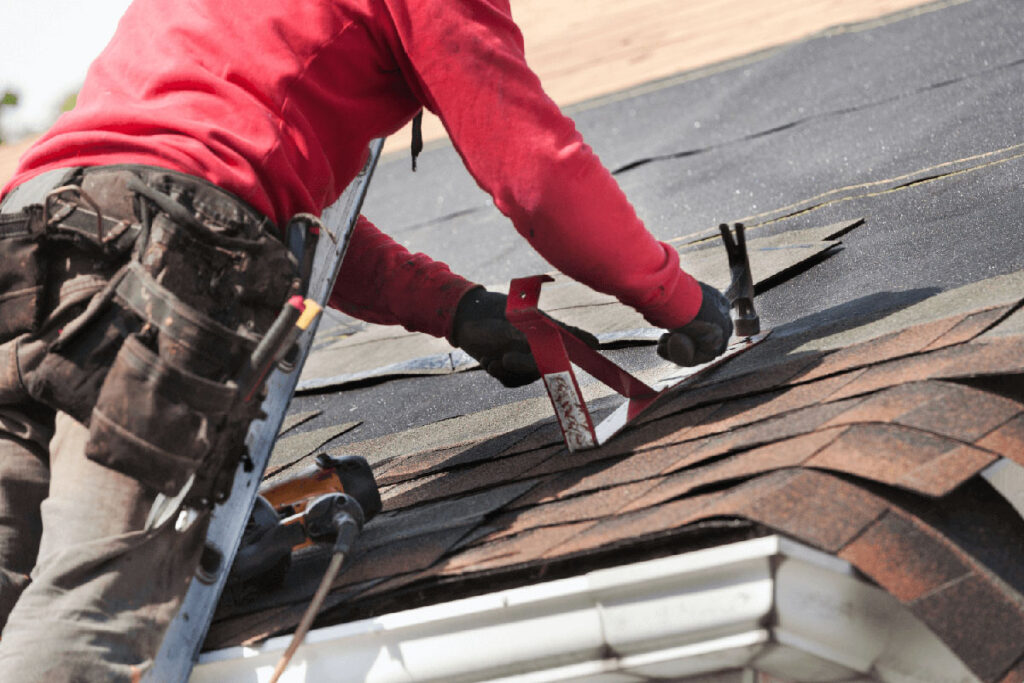
In Ottawa and Eastern Ontario, harsh weather can quickly turn small roofing issues into more serious problems. Cracked shingles, aging sealant, loose fasteners, worn vent boots, or failing flashing may seem minor at first, but they can lead to leaks, water intrusion, and more costly damage if left untreated. Addressing these issues early helps protect the roof, preserve the home, and avoid larger repairs later.
At Roof Revival & Metal Roofing Inc., our minor roof repair service is designed to correct vulnerable areas before they worsen. Depending on the condition of the roof, repairs may include:
Our approach goes beyond the visible issue. We assess the surrounding roofing system to better understand the source of the problem and determine whether a targeted repair can restore proper protection. Homeowners receive photo documentation, clear explanations of the issue, and practical recommendations before work begins.
This service is built around safety, thorough assessment, and local experience. Our certified team uses proper safety equipment, inspects more than just the obvious damage, and provides recommendations based on the roof’s actual condition. As a family owned company serving Ottawa and surrounding areas, we focus on practical repairs that help homeowners stay protected and maintain the performance of their roofing system.
Well maintained roofs can also help reduce complications with home insurance. When roofing problems are ignored, insurers may view the home as higher risk, which can affect claims or premiums. A timely repair today can help support both the condition of the roof and the protection of the property overall.
Small roof problems rarely stay small for long. Early repairs help protect your home, extend roof life, and reduce the risk of more expensive damage later.
Traditional roofing discussions often focus only on the outer material such as asphalt shingles or metal panels.
However, a roof’s long-term performance depends on the entire roofing system working together.
A properly designed roofing system includes multiple protective layers that each serve a specific structural purpose.
Key elements of a high-performance roofing system include:
When these components are installed correctly, they work together to protect the home from moisture intrusion, structural deterioration, and long-term weather damage.
In climates with significant seasonal changes, roofing systems must withstand:
Over time, weaker roofing systems begin to deteriorate as materials lose flexibility and protective performance.
Higher-performance roofing systems are engineered to maintain structural stability and weather protection over much longer timeframes.
Roof repairs are not just about fixing visible damage, they are about restoring the roof’s ability to protect the home.
Modern roofing systems rely on multiple protective layers to prevent water intrusion and structural damage.
Critical areas such as skylights, chimneys, and roof valleys require specialized flashing to ensure long-term waterproofing.
Proper roof ventilation helps regulate attic temperatures and prevents moisture buildup that can damage structural components.
The roof deck provides the structural foundation that supports the entire roofing system.
Asphalt shingles gradually deteriorate due to UV exposure, wind, and temperature fluctuations.
When shingles crack, curl, or lose protective granules, the underlying roofing layers become exposed to moisture and weather damage.
Professional roof repairs may include:
Addressing shingle damage early helps preserve the overall roof structure.
Roof penetrations such as skylights, vents, and chimneys are common sources of roof leaks.
Over time, flashing materials can loosen, corrode, or separate from surrounding roofing components.
Proper roof repair involves:
These areas require precise repair techniques to ensure long-term leak protection.
Not all roof problems are visible from the ground.
Water infiltration can develop beneath roofing materials, affecting the roof deck and structural components.
Professional roof inspections evaluate:
Identifying these issues early allows targeted repairs that extend the life of the entire roofing system.
Your roof is your home’s first shield against rain, snow, wind, and extreme temperatures. It helps protect the structure, support indoor comfort, and reduce unnecessary energy loss throughout the year. For most homeowners, the roof is one of the most important systems protecting the entire property.
Across North America, asphalt shingles remain the most common roofing material because of their lower upfront cost and ease of installation. But understanding how they are built and how they age helps explain why maintenance, repairs, and replacement become more important over time.
Asphalt shingles are built as a layered roofing system designed to provide waterproofing, weather resistance, and surface protection. Each shingle includes a fiberglass mat core for base strength, an asphalt coating that helps seal out water, and mineral granules on the surface that help protect against UV exposure and everyday weather.
These shingles are installed in an overlapping pattern designed to channel water down the roof and into the gutters. When shingles are new and fully intact, this system performs well. But as they age, the asphalt can dry out, granules can wear away, and edges can begin to crack, curl, or lift. Once that happens, the roof becomes more vulnerable to water intrusion and surface deterioration.
Over time, aging asphalt shingles can begin to lose performance in key areas:
While asphalt shingles remain widely used, they generally require more maintenance, offer a shorter service life than modern alternatives, and contribute significantly to construction landfill waste at the end of their lifespan.
Asphalt shingles are still common, but many homeowners are looking more closely at long term durability, maintenance requirements, and environmental impact when planning future roofing decisions.
Metal roofing systems are increasingly chosen for their longer lifespan, lower maintenance needs, energy efficiency, and recyclability. For homeowners thinking beyond short term roofing cycles, these systems can offer a more durable and lower impact solution over time.
A roof does more than cover the home. It plays a direct role in protection, performance, maintenance costs, and long term property value.
When small roofing issues are ignored, they rarely stay small for long. Cracked shingles, clogged gutters, aging sealant, or minor leaks can gradually lead to more serious damage throughout the home. What begins as a localized roofing issue can eventually affect insulation, ceilings, walls, and even the structural components supporting the roof.
Neglected roof maintenance can also create the conditions for mold and mildew to develop in damp areas, while ongoing moisture exposure may contribute to wood decay in the roof deck or supporting structure. Over time, the cost of inaction often becomes far greater than the cost of early maintenance or repair.
Common consequences of neglected roof maintenance may include:
Regular maintenance helps extend roof life, protect the home, and reduce the likelihood of more serious repairs later. A proactive approach often includes the following:
Visually inspect the roof at least twice a year, especially after winter and major storms, to look for missing shingles, lifted edges, cracked sealant, or damaged flashing.
Keep gutters and downspouts clear of leaves and debris so water can drain properly and avoid backing up beneath the roof edge.
Address minor issues such as a loose shingle, small leak, or exposed fastener before they spread into more extensive damage.
For qualifying asphalt roofs, rejuvenation can help restore lost oils, maintain flexibility, and support a longer service life.
A Roof Health Check can help identify developing issues early and determine whether maintenance, repair, or rejuvenation is the right next step.
Call 613 800 8003 to schedule your free inspection.
A structured repair process ensures roofing problems are diagnosed correctly and fixed before they cause larger structural damage.
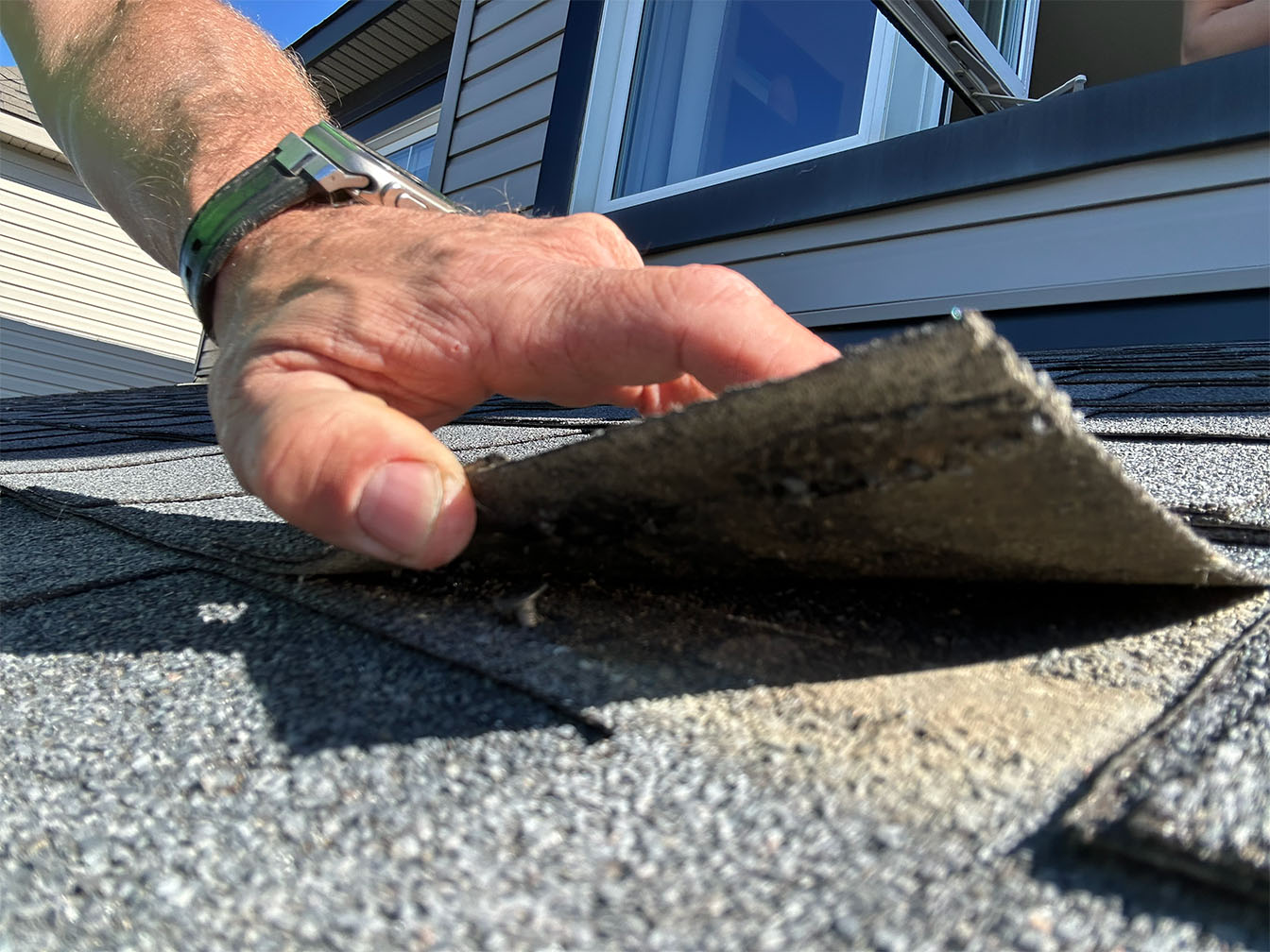
Every repair begins with a detailed inspection to identify the true source of the problem.
Roof technicians evaluate:
Proper diagnosis ensures the repair addresses the root cause, not just the visible symptom.
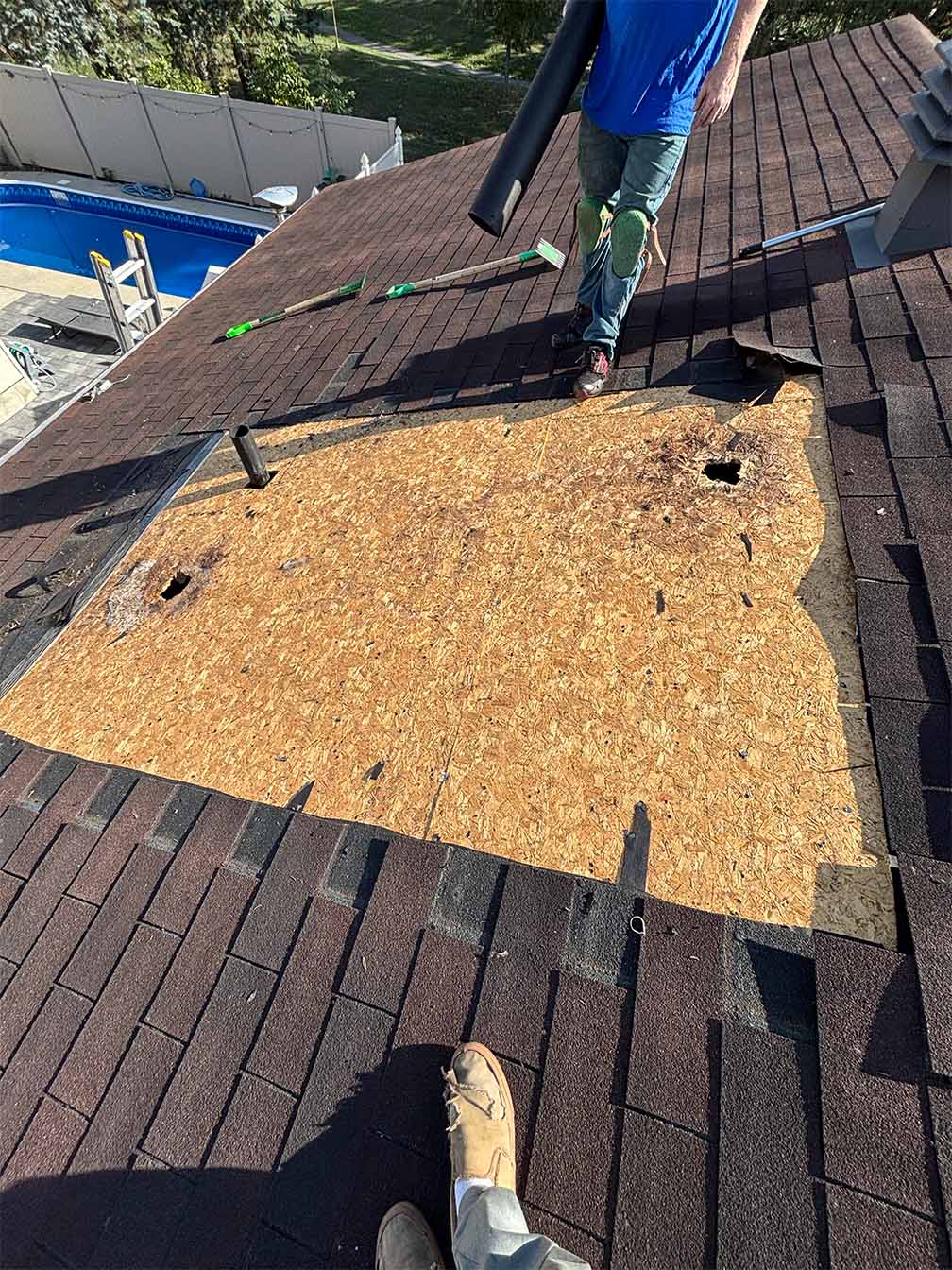
Damaged roofing materials are carefully removed to expose the underlying structure.
This step allows technicians to:
Careful preparation prevents future leaks and ensures long-term repair durability.
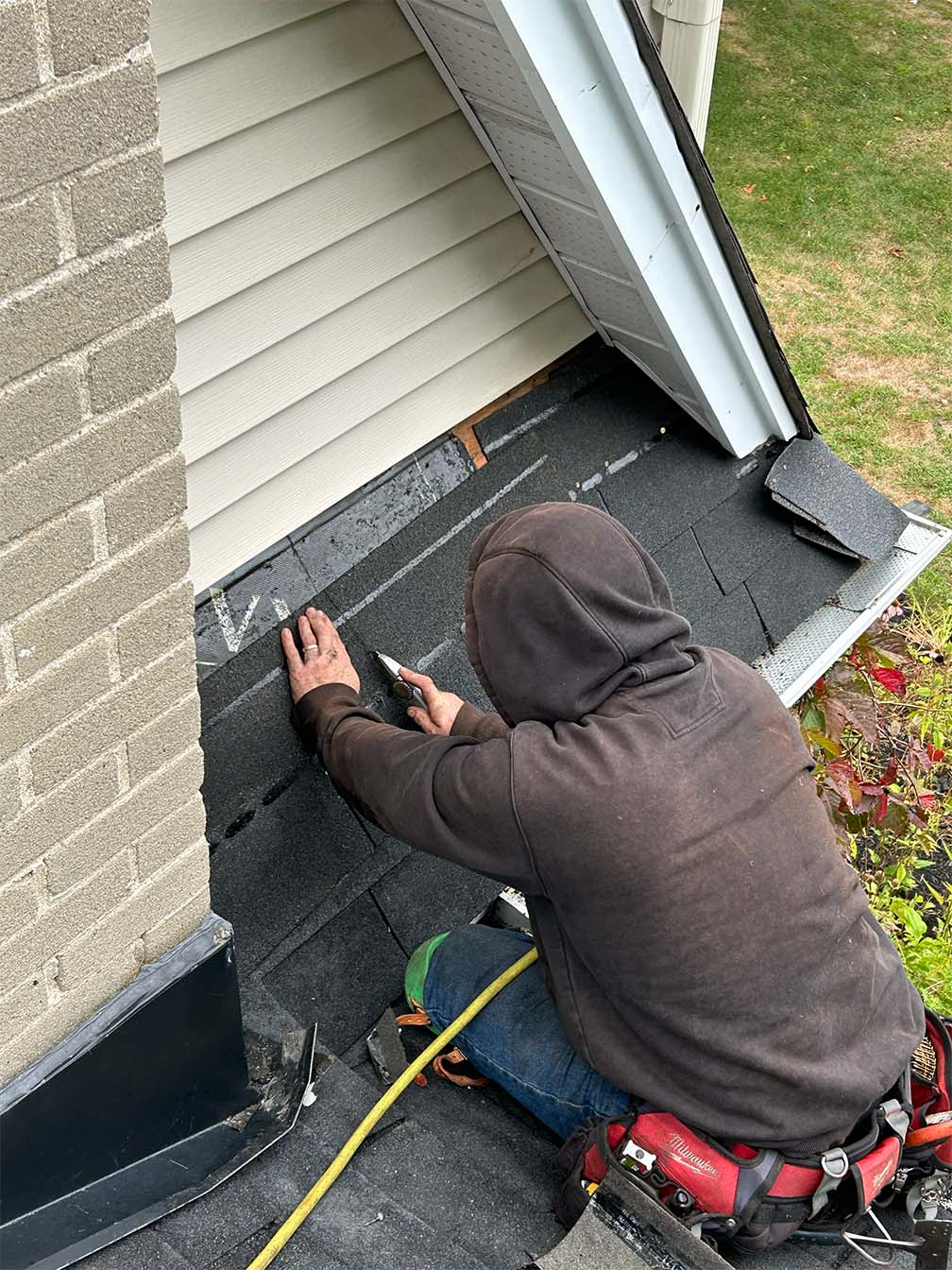
New materials are installed to restore the roof’s protective layers.
Repairs may include:
Each repair is performed according to professional roofing standards.
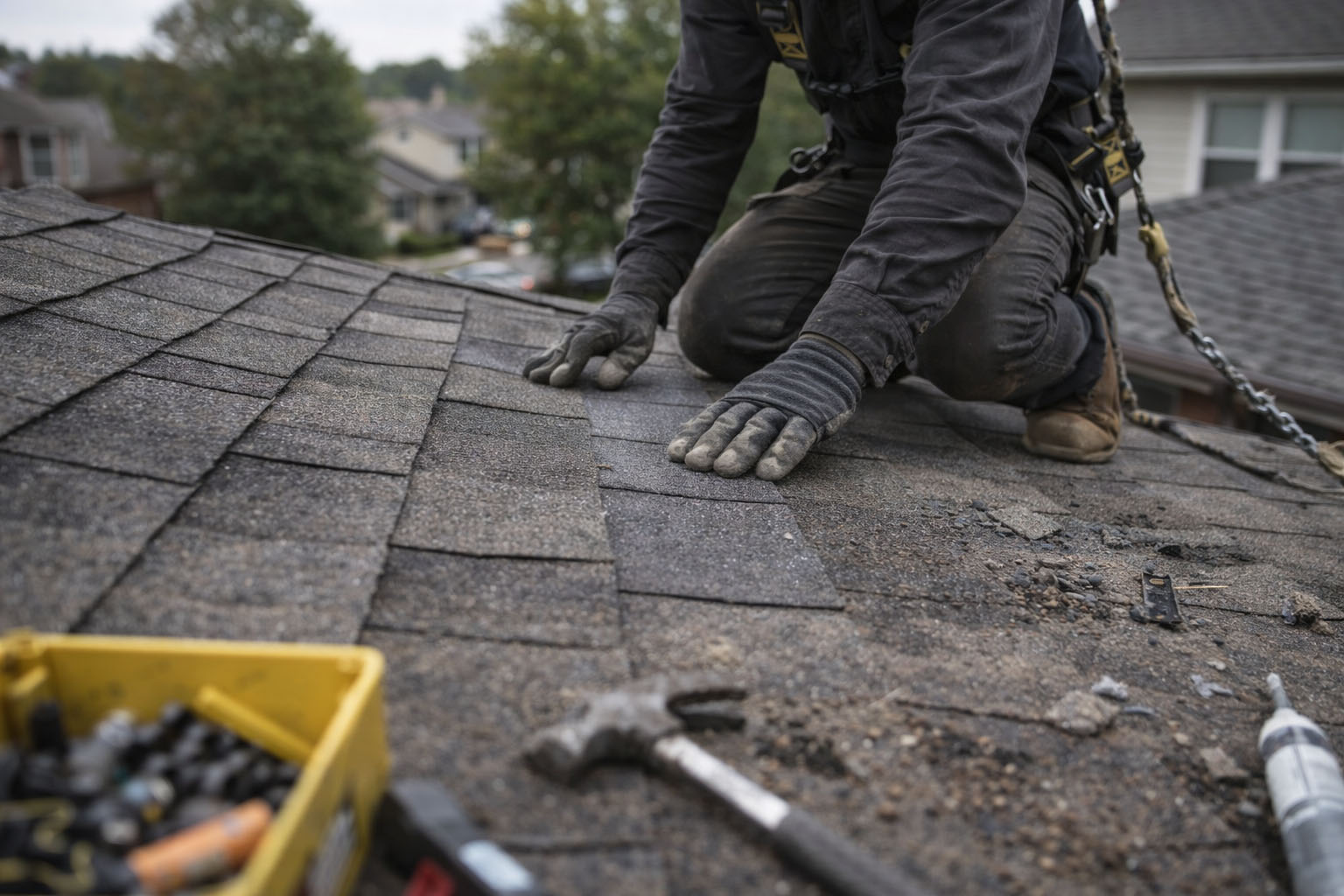
The repaired section is inspected to ensure the roof is properly sealed and structurally protected.
Technicians verify:
A properly executed repair restores the roof’s ability to protect the home from weather and moisture.
Most residential roof repairs can be inspected and scheduled within 24–48 hours, helping homeowners stop leaks and prevent structural damage before it spreads.
The majority of roof leaks originate from localized issues such as flashing failures, damaged shingles, or roof penetrations; problems that can often be repaired without replacing the entire roof.
Professional roof repairs restore the protective performance of asphalt shingles and can significantly extend the remaining lifespan of the roof system.
Every repair targets the root cause of water intrusion including flashing, penetrations, roof decking, and shingle integrity to ensure long-term weather protection.
Most roof leaks start small, but worsen quickly without proper repairs.
Professional roof repair helps stop leaks, restore the protective performance of your shingles, and prevent costly structural damage to your home.
A professional roof inspection can identify common problems such as:
Addressing these issues early can extend the life of your roof and prevent expensive full roof replacements.
Our team identifies the true source of roof leaks and performs repairs that restore the roof’s weather protection and structural integrity.
The goal is simple: