
Asphalt shingles naturally age over time.
Exposure to sun, temperature cycles, poor ventilation, moisture, and wind gradually affects the roofing system.
Early signs of aging may include:
These conditions alone do not always require immediate replacement.
However, when deterioration progresses beyond the surface layer, the structural reliability of the roofing system begins to decline.
At that stage, responsible roof replacement becomes the safest long-term solution.
Professional inspection evaluates critical factors such as:
When these elements are compromised, full roof replacement ensures long-term protection for the home.
A roof should be replaced when its protective system can no longer reliably perform, not simply because it looks old.
Roof replacement becomes necessary when the structural performance of the roofing system can no longer be reliably maintained.
When asphalt loses flexibility, shingles become brittle and prone to cracking, wind damage, and water intrusion.
Roofing systems rely on the interaction of shingles, flashing, underlayment, and ventilation. Failure in these components may require full replacement.
A qualified roof inspection identifies whether a roof can continue performing or whether full replacement is the responsible option.
Before recommending replacement, a professional inspection evaluates the full roofing system, not just the visible shingles.
Technicians evaluate the full roofing system, including:
When these components can no longer reliably protect the structure, replacement becomes necessary.
A proper asphalt roof replacement involves far more than installing new shingles.
Professional roof replacement includes:
This ensures the entire roofing system performs as designed.
Roofing performance depends heavily on correct installation.
Proper nail placement, flashing integration, ventilation balance, and shingle alignment directly determine the lifespan of an asphalt roofing system.
Experienced crews follow manufacturer installation specifications to ensure long-term structural durability and weather resistance.
When a roof reaches the end of its structural lifespan, full replacement restores the home’s primary protective barrier.
A properly installed asphalt roofing system typically protects a home for 20–30 years depending on materials, ventilation, and climate conditions.
Professional installation provides:
For homes with advanced roof deterioration, replacement becomes the safest and most durable solution.
A structured installation protocol designed for long-term roof system performance.
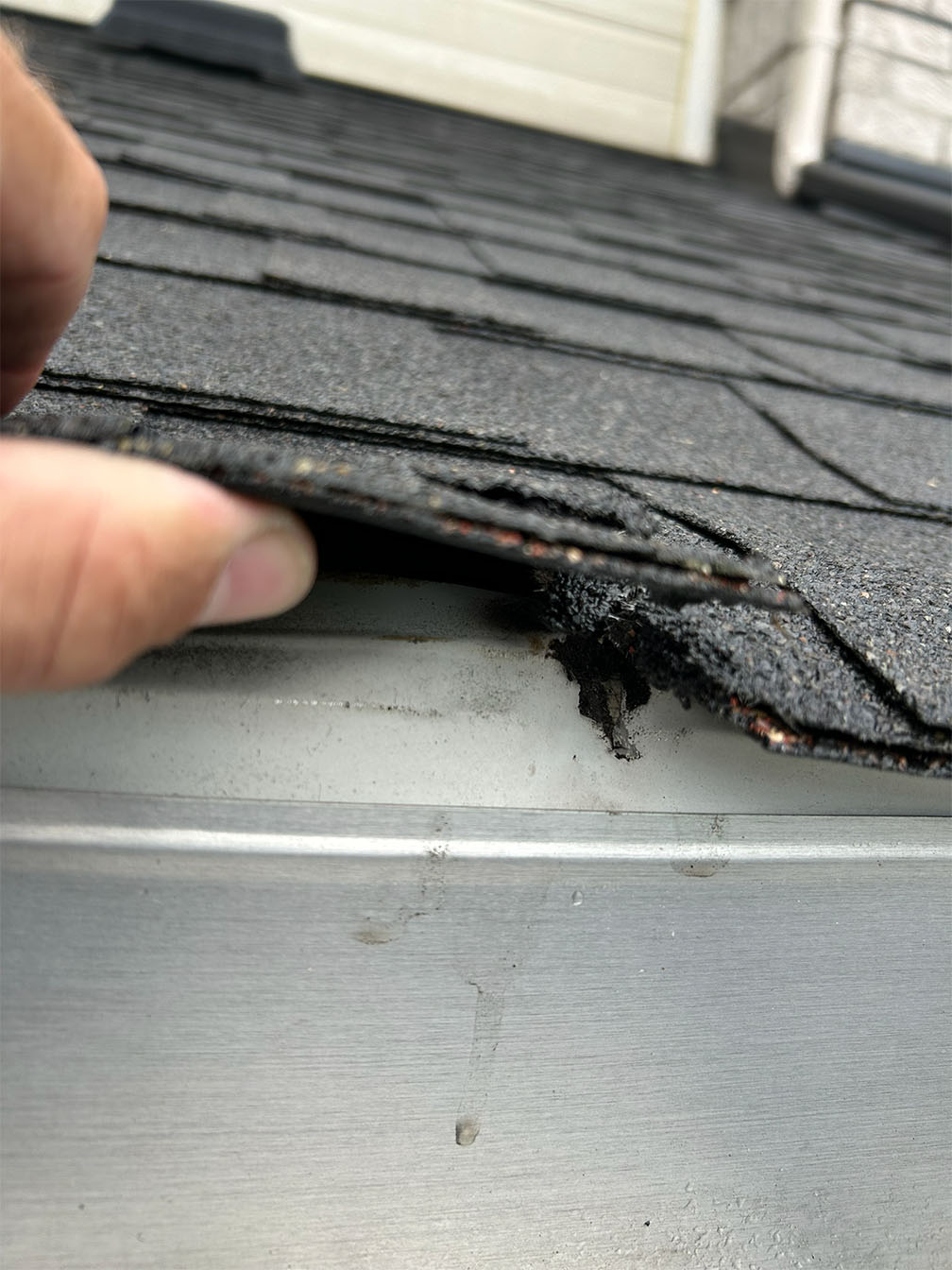
Before replacement begins, the roof system is fully evaluated.
Technicians assess:
If the underlying structure is compromised, necessary repairs are completed before installation.
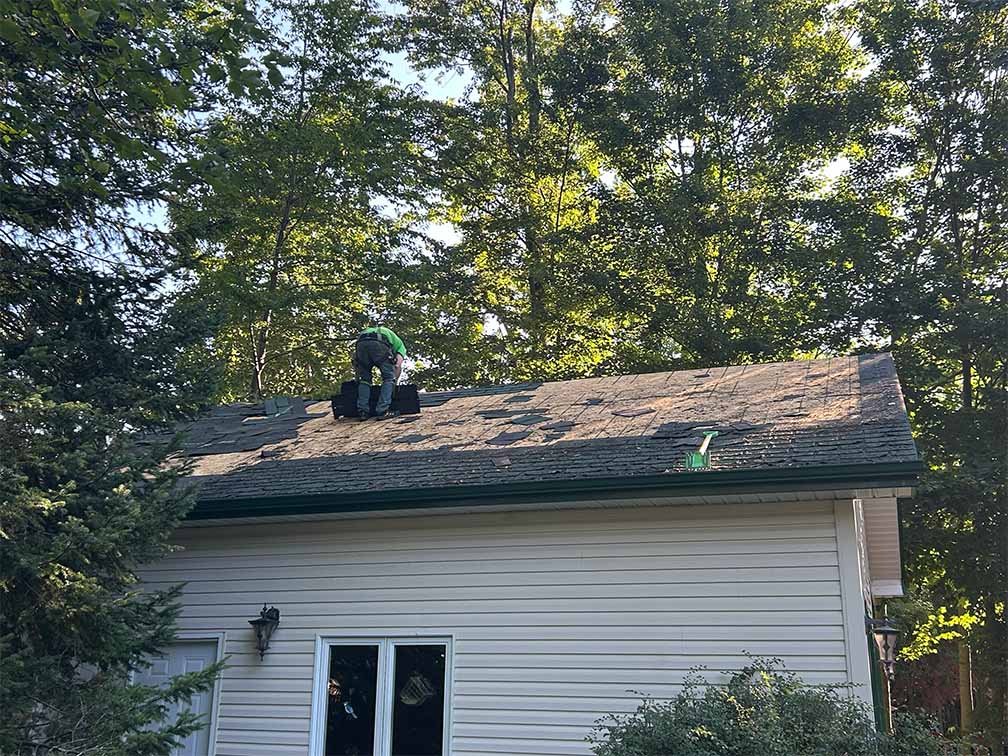
All existing asphalt shingles and underlayment are completely removed to expose the structural roof deck.
This step allows technicians to:
A complete tear-off ensures the new roofing system is installed on a sound structural base.
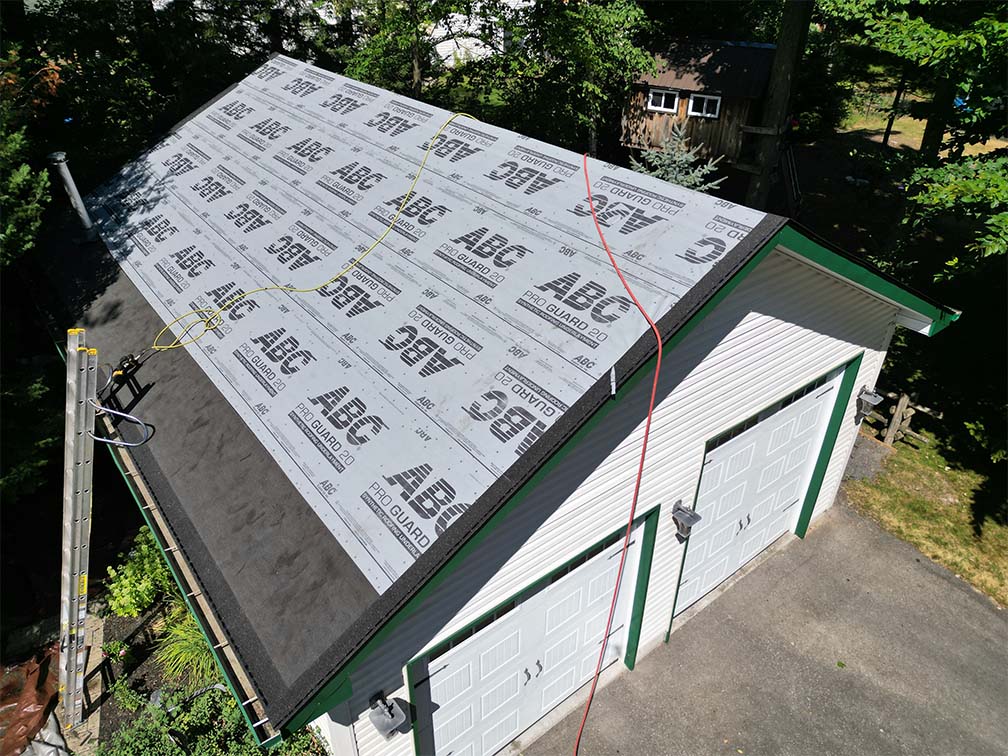
High performing roofing systems include multiple protective layers.
Professional installation includes:
All materials are installed according to manufacturer specifications.
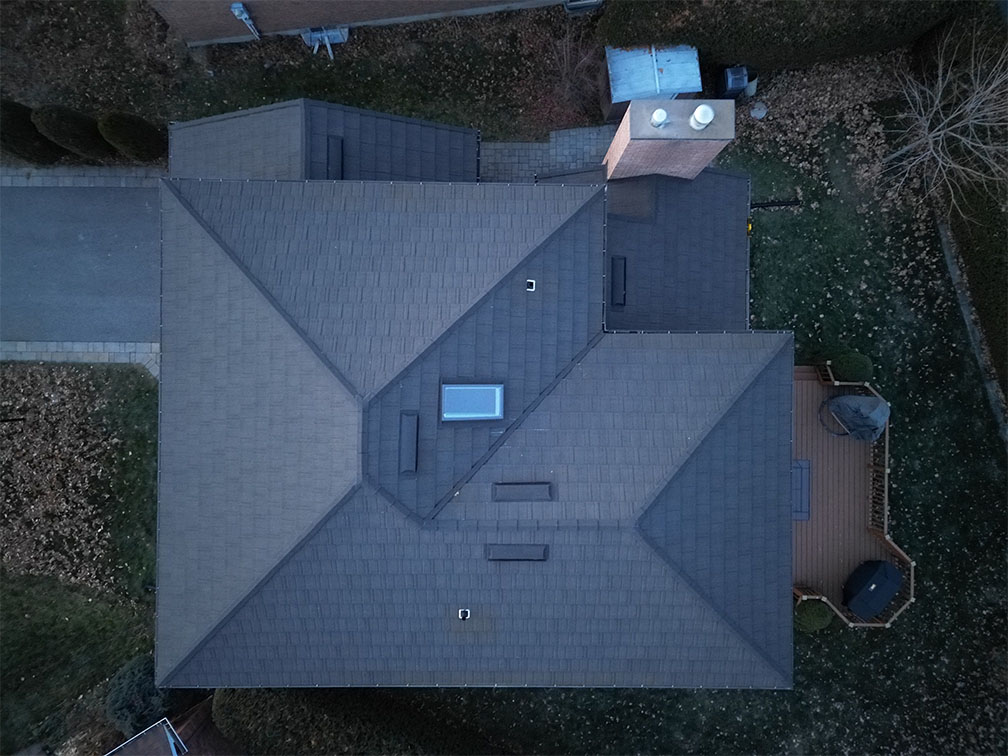
After installation, we review the completed work with the homeowner to ensure expectations have been fully met and satisfaction is 100%.
This final overview includes:
Expected lifespan of a professionally installed asphalt roof system.
Shingles, underlayment, flashing, ventilation and waterproofing components replaced.
Deck protection, underlayment, shingles, and ventilation working together.
Architectural asphalt roofing systems designed for Canadian weather conditions.
A professional structural evaluation should always come first.
Before committing to a full roof replacement, a proper inspection evaluates the entire roofing system, not just the visible shingles.
A professional assessment determines:
When these components can no longer reliably protect the structure, full asphalt roof replacement restores the home’s primary weather barrier.