
Most asphalt roofs don’t fail overnight.
They gradually lose flexibility.
Protective oils dry out.
Granules begin to loosen.
But structural integrity often remains intact longer than many homeowners assume.
Replacing too early can mean:
When flexibility is restored early enough,
full replacement can often be responsibly delayed.
Not every roof qualifies for rejuvenation, but many are replaced prematurely.
Many roofs are replaced because they look old, not because they have structurally failed.
Drying and brittleness happen over time, not all at once.
When asphalt loses flexibility, deterioration accelerates.
Moderate surface wear does not automatically mean the roof must be replaced.
Treating shingles before severe damage extends usable lifespan.
RoofRestor™ penetrates the asphalt shingle surface and reintroduces lost petrochemical oils, the same binding agents originally responsible for flexibility.
Over time, UV exposure and oxidation deplete these oils, causing brittleness and surface cracking.
Restoring these oils doesn’t “coat” the roof,
it reconditions it from within.
Independent laboratory testing by PRI Asphalt Technologies (ISO-accredited) confirms measurable structural improvements, not cosmetic enhancement.
These results are based on accelerated weather simulation testing, the same standard used to evaluate long-term roofing performance.
Roof rejuvenation is most effective before structural failure.
Once shingles are severely cracked, curled, or decking is compromised, full replacement becomes necessary.
But when flexibility loss is the primary issue,
homeowners often replace years earlier than required.
When applied at the right stage, rejuvenation can responsibly extend service life by 5–15 years, deferring major capital expenses.
A typical asphalt roof can weigh 2–3 tons.
Most replacement projects send that material directly to landfill, even when structural integrity remains intact. Once buried, asphalt shingles can take around 200 to 300 years to decompose, adding long-term waste to landfills.
Rejuvenation preserves usable roofing systems, reduces environmental impact, and delays unnecessary tear-offs.
It is a strategic asset-preservation decision, not a temporary patch.
A calibrated, step-by-step application protocol engineered for long-term performance.
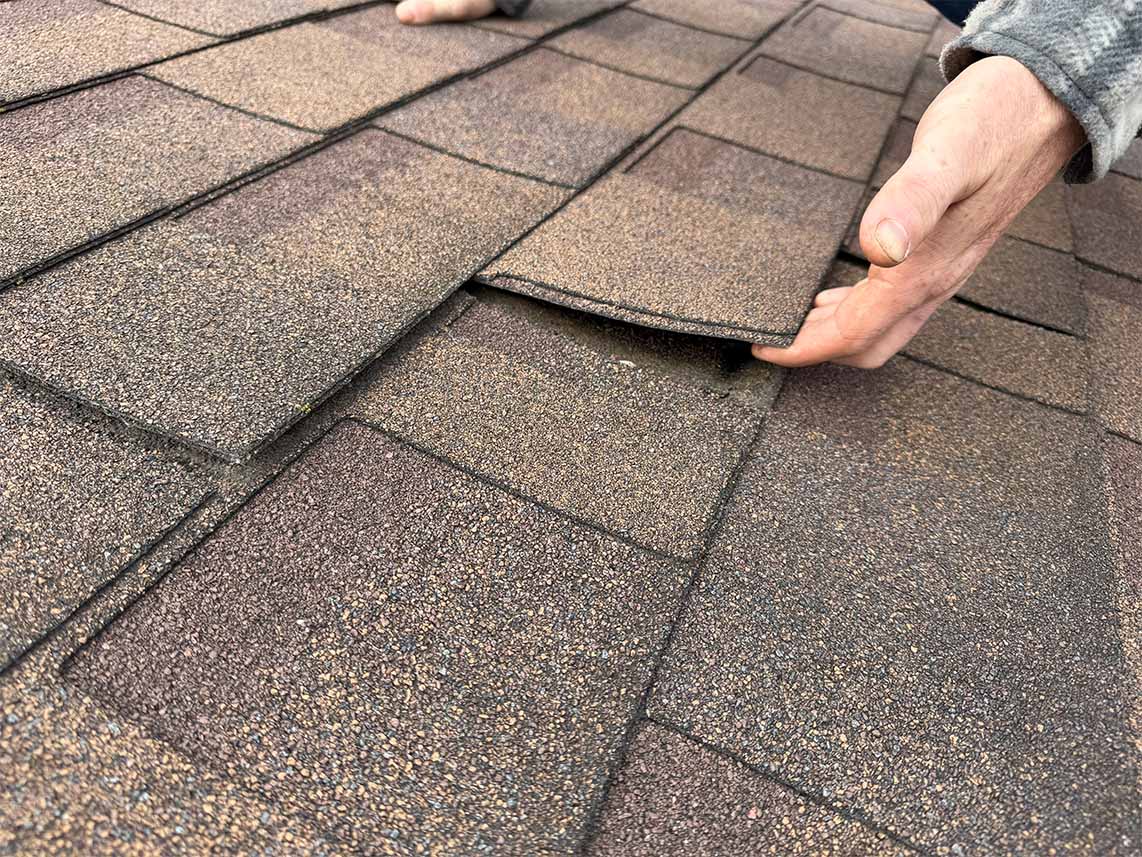
Every roof undergoes a structural qualification process before treatment approval.
We assess:
If structural failure is present, we recommend replacement.
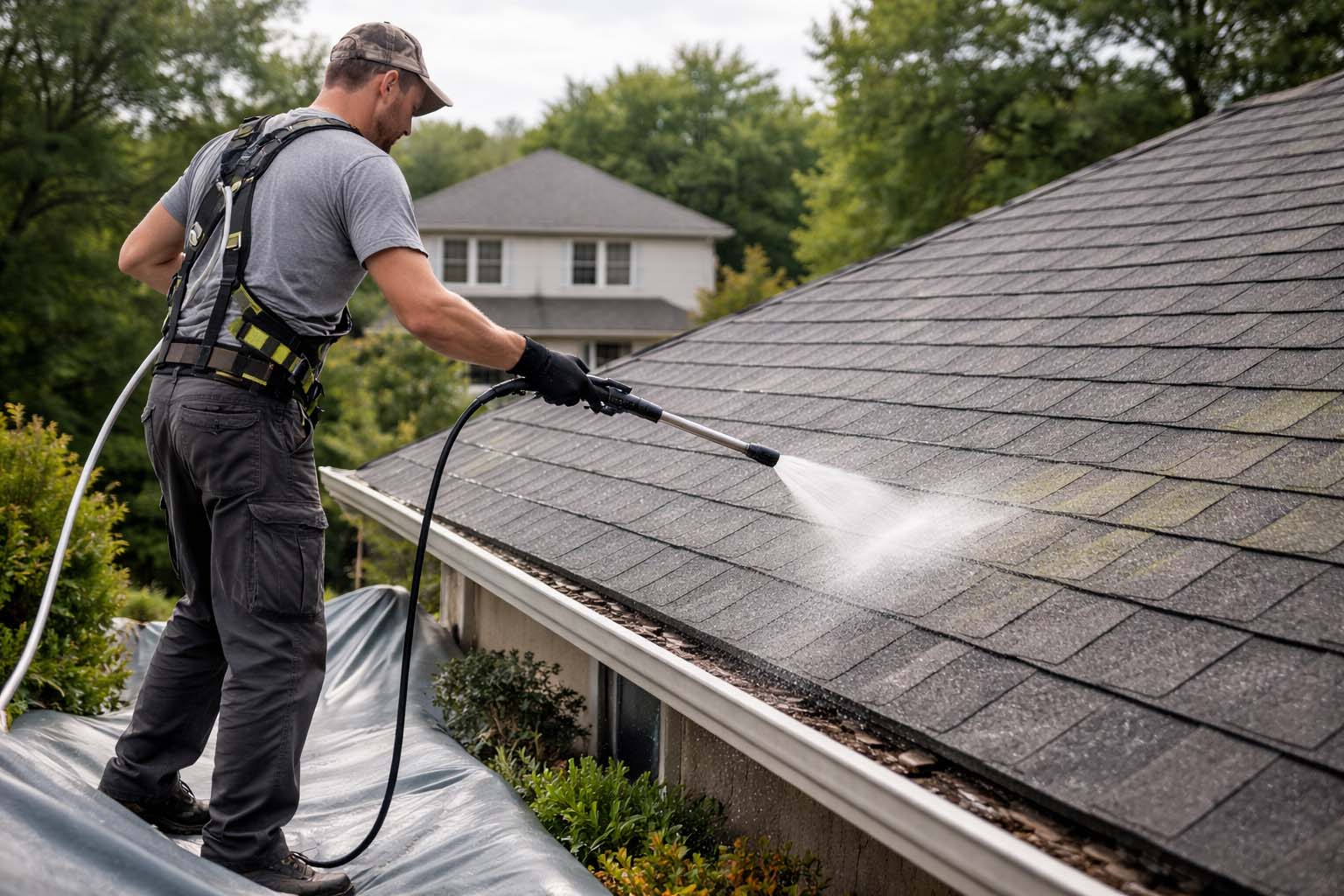
Surface conditioning is critical to molecular penetration.
Rejuvenation is never applied over contamination.
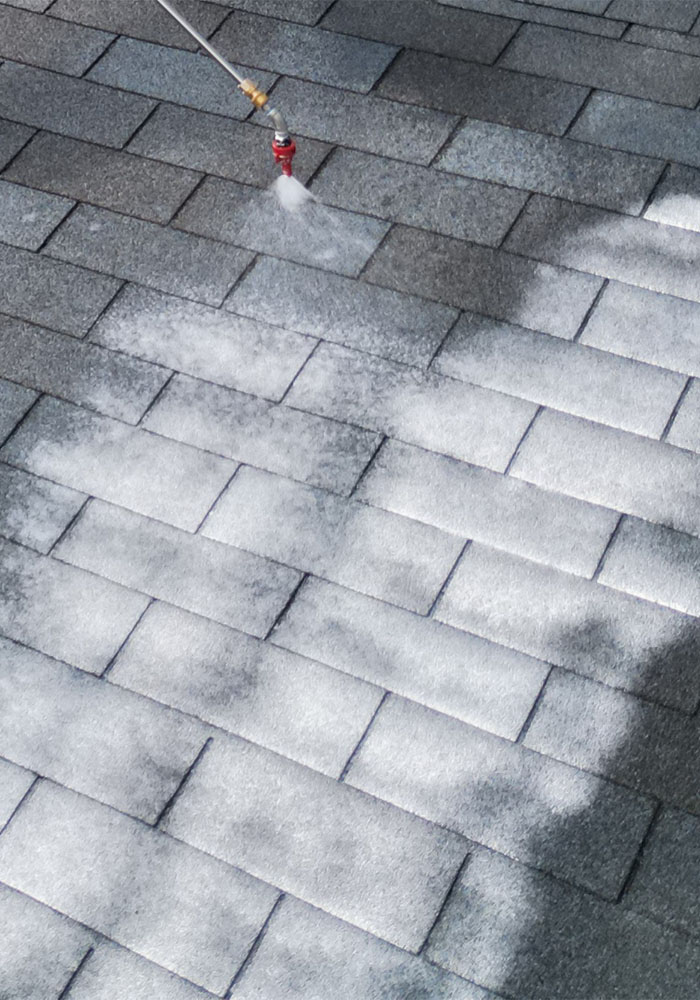
Applied at manufacturer-specified coverage rates to ensure controlled saturation.
This is a conditioning process, not a cosmetic layer.
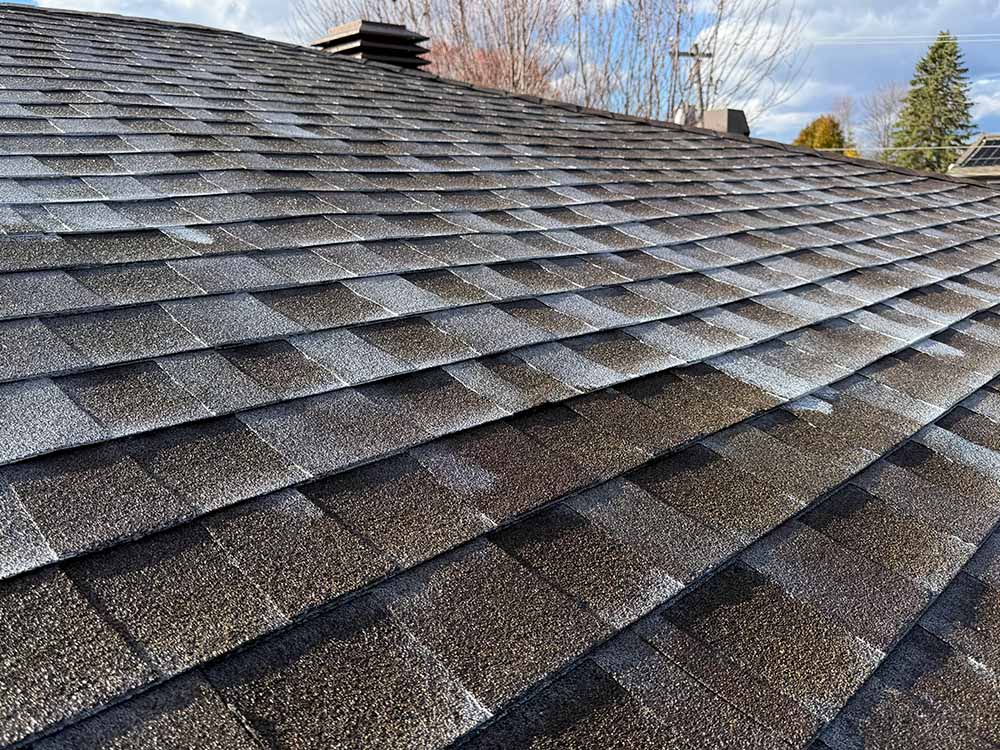
The treatment absorbs and conditions internally.
Roof rejuvenation is not a one-time fix, it is a lifecycle extension strategy.
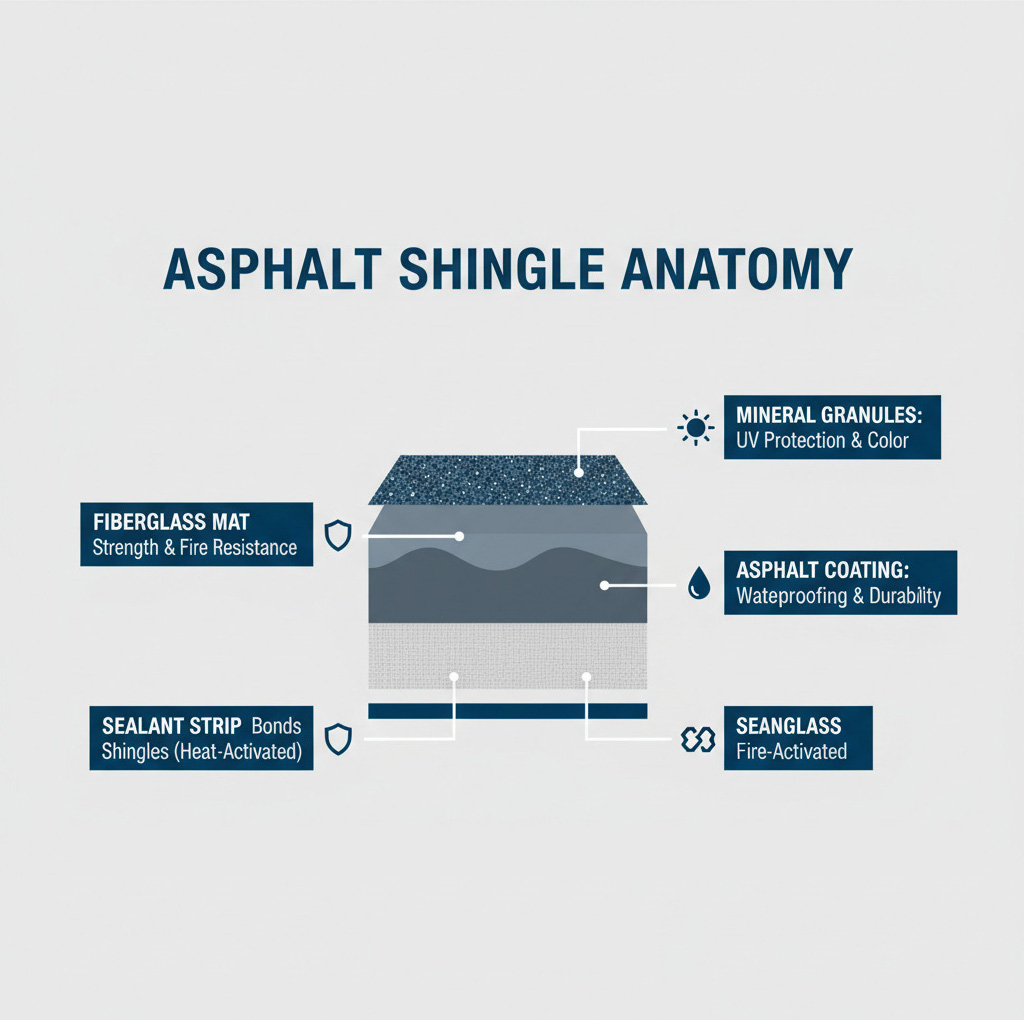
Asphalt shingles are built as a layered roofing system designed to provide weather protection, fire performance, and durability at an accessible cost. Each shingle typically includes a strong base mat, an asphalt coating reinforced with mineral fillers, and a surface layer of ceramic coated granules. The base mat, often fiberglass, provides strength and dimensional stability, while the asphalt coating helps waterproof the shingle and support fire performance. Ceramic coated granules on the surface help protect against UV exposure, heat, and everyday impact while also giving shingles their color and texture.
Over time, the asphalt binder inside the shingle begins to dry out and lose the oils that help keep it flexible. As that happens, shingles can become brittle, lose granules more easily, and become less effective at shedding water and resisting weather. That is where roof rejuvenation plays a critical role.
RoofRestor™ penetrates into the asphalt layer of aging shingles and replenishes lost oils to help restore flexibility and pliability. By improving the condition of the asphalt binder itself, the treatment helps support granule adhesion, revive weather protection, and extend the usable life of the roof. It also helps restore the performance of the layer that binds the shingle system together and protects the roof from ongoing exposure.
For homeowners, this offers a practical way to delay premature replacement. Rejuvenation helps preserve an existing roofing system, reduce landfill waste, and lower demand for new petroleum based materials. As a plant based treatment, it supports a more sustainable approach to protecting the home while extending roof life with less environmental impact.
Roof rejuvenation works by restoring the asphalt layer that gives shingles their flexibility, protection, and long term performance.
Not every aging roof needs to be replaced.
Before committing to a full tear-off, a proper evaluation should determine:
Roof rejuvenation is not suitable for every home.
But when conditions are right, it can defer major capital expense by years without compromising structural integrity.